Tualatin Can Have a Food Cart Pod Starting This Week. So Where Is It?
October 29, 2026
October 29, 2026
As of this week, a group of food carts sharing one lot is a legal use in Tualatin's commercial zones. The City Council adopted Ordinance 1461-26 unanimously on September 28, and the rules became effective on Wednesday, October 28, the day before this post went up. No pod has opened, no site has been proposed, and no opening date exists. That gap comes from the kind of pod the city decided to allow first.
Tualatin wrote its rules around a destination pod with plumbed restrooms, covered seating and bike parking. The council did not write a lighter version for the two- or three-cart lot that usually comes first in a town without carts. Those requirements explain why the first carts will take longer to arrive than the vote suggests.
Before this ordinance, Tualatin's code largely kept food carts out of commercial zones. Where carts were allowed, only one could be on a site at a time. Pods were allowed in exactly one place, a single development in the Basalt Creek Employment zone with frontage on Grahams Ferry Road. Even that allowance was capped at one pod of up to ten carts, and the Valley Times reported in May that no pod was operating there.
The new code allows pods in six zones: General Commercial, Central Commercial, Office Commercial, Mixed Use Commercial, Neighborhood Commercial, and Basalt Creek Employment. Single carts get their own list of zones, mostly industrial and institutional. The review process grows with the size of the project, according to the September 28 staff report from Senior Planner Erin Engman:
| What's proposed | Review type | Who decides | Public notice |
|---|---|---|---|
| A single food cart, or pod changes that don't add carts | Type I | City staff | No |
| A new pod, or pod changes that add carts | Type II | City staff | Yes |
| A pod of 20 or more carts | Type III conditional use permit | Planning Commission | Yes |
Any site with more than one cart counts as a pod under the new code. Every pod has to provide permanent amenities, including restrooms, shade structures and a minimum amount of bike parking. That last rule shapes the rest of this story.
The demand came from residents. In early 2025 the city hired Civilis Consultants to study how downtown Tualatin feels now and what the community wants it to become. The outreach included a bilingual survey with more than 200 responses, focus groups, a workshop, interviews with property owners, and booths at events.
People described downtown as short on activity, shops and restaurants. At the booths, a prompt asked people to finish the sentence "I wish downtown had..." Almost one-third answered with a food cart pod. A farmers market came second at 22%. Participants pointed to Beaverton's and West Linn's pods as the kind of place they wanted.
Both of those models are full-size destinations, and the council's direction matched them. After an April 27, 2026 work session, councilors told staff to encourage "high-quality, destination food cart pod development," including covered seating for weather protection and permanent, plumbed bathrooms. One of those requirements, covered seating, deals directly with the Oregon rain.
The identity study suggested a specific downtown location. It described a pedestrian walkway that runs south from a park through a public parking lot. Carts would face the walkway from both sides, and seating in a few public spaces would make the pod "visible from the park and the road."
The study also suggested a way to run it. It cited the Portland Mercado model, which downtown Tigard used with its new park. Under that model, the city buys a few carts and rents them to new food businesses. In the same section, the study named SW Nyberg, where it ends at the splash pad, as a possible festival street and event space that could close to traffic for events. Together, the two ideas describe a downtown built for people to stay a while.
Both ideas are still concepts. The ordinance changed what the code allows citywide. The applicant on the city's case file is the City of Tualatin, and the tax map and lot field is blank. In May, the city told Your Oregon News that seven private developers had expressed interest and staff had spoken with at least five. None of them were named.
The cheaper route was discussed before the vote. At the August 19 Planning Commission meeting, commissioners talked about a tiered system that would drop some costly requirements, including plumbing and covered seating, for pods with fewer than five carts. Tualatin Life reported that former Councilor Robert Kellogg spoke at that meeting about the cost of a grease trap, a covered structure and a plumbed restroom for a small pod.
The same story gave the cart owners' side. Erick Sanchez, owner of La Real Taqueria, told Tualatin Life he would consider moving his cart to Tualatin if the pod rules passed. His cart now operates on Pacific Highway in Tigard, sharing a lot with two other carts.
Engman put the tier question to the council on September 28, and Tualatin Life's account of that meeting shows the council divided over it.
"In my mind the smaller pod is a proof of concept; test the market. See if there actually is a demand." Mayor Frank Bubenik, as reported by Tualatin Life
Councilor Christen Sacco told the same meeting she was "conflicted about a smaller tier," with concerns about water and cleanliness. Council President Valerie Pratt argued for passing the ordinance "so we have it in the books and we can get that beautiful downtown food cart pod we all want." The council approved the code without a separate tier for two to four carts and moved that question to a future work session. The city's food cart page says council asked staff to come back on it, but no date has been posted.
As of this week, a two-cart lot and a fifteen-cart pod in Tualatin both need the same permanent restrooms, shade and bike parking. The mayor's question about whether the market can support a large pod is still open. The code now allows the large pod. It does not yet offer a cheaper, smaller way to test demand first.
The likeliest home for a destination pod is downtown, and downtown is about to be redesigned. The city's downtown revitalization project has three phases:
The city reported that Phase Three kicked off on October 7, 2026. That phase covers an urban design framework, design standards, an implementation plan, more community engagement, coordination with property owners, interviews with developers, and studies of opportunity sites. The master plan that will shape downtown's public parking lots and walkways will not be finished until March 2028, and the pod rules are already in effect.
Some of this is already running in other parts of the code. A pod outside downtown, in any of the other permitted commercial zones, can apply now. Downtown also has more on its calendar than the pod. The state of the study's walkway idea, the Nyberg festival street and the follow-up on small pods will mostly come out at public meetings over the next year.
The study named Beaverton and West Linn as models, and Tualatin Life illustrated its October story with a pod in Tigard. These are the nearest working examples, roughly in the order a Tualatin driver would reach them:
Sherwood is moving in the same direction. In April 2026, its council adopted a zoning change that allows food cart pods in light industrial areas. The Sherwood Sun reported a proposed pod on 2.8 acres at the southeast corner of Tualatin-Sherwood Road and Century Drive, which would still need a conditional use permit. If you plan to visit any of these pods, check the hours and cart list before you go, because both change often.
Code requirements and review procedures in this post are summarized from the city's published documents. Anyone planning a cart or a pod should read Ordinance 1461-26 and confirm the details with the City of Tualatin Planning Division and the right professionals.
Julia and the team at Monaghan Real Estate Group will keep following downtown Tualatin's plans, from the small-pod work session to the Walker Macy master plan. If you'd like to talk about what that work could mean for your part of Tualatin, let's connect.
West Linn Real Estate
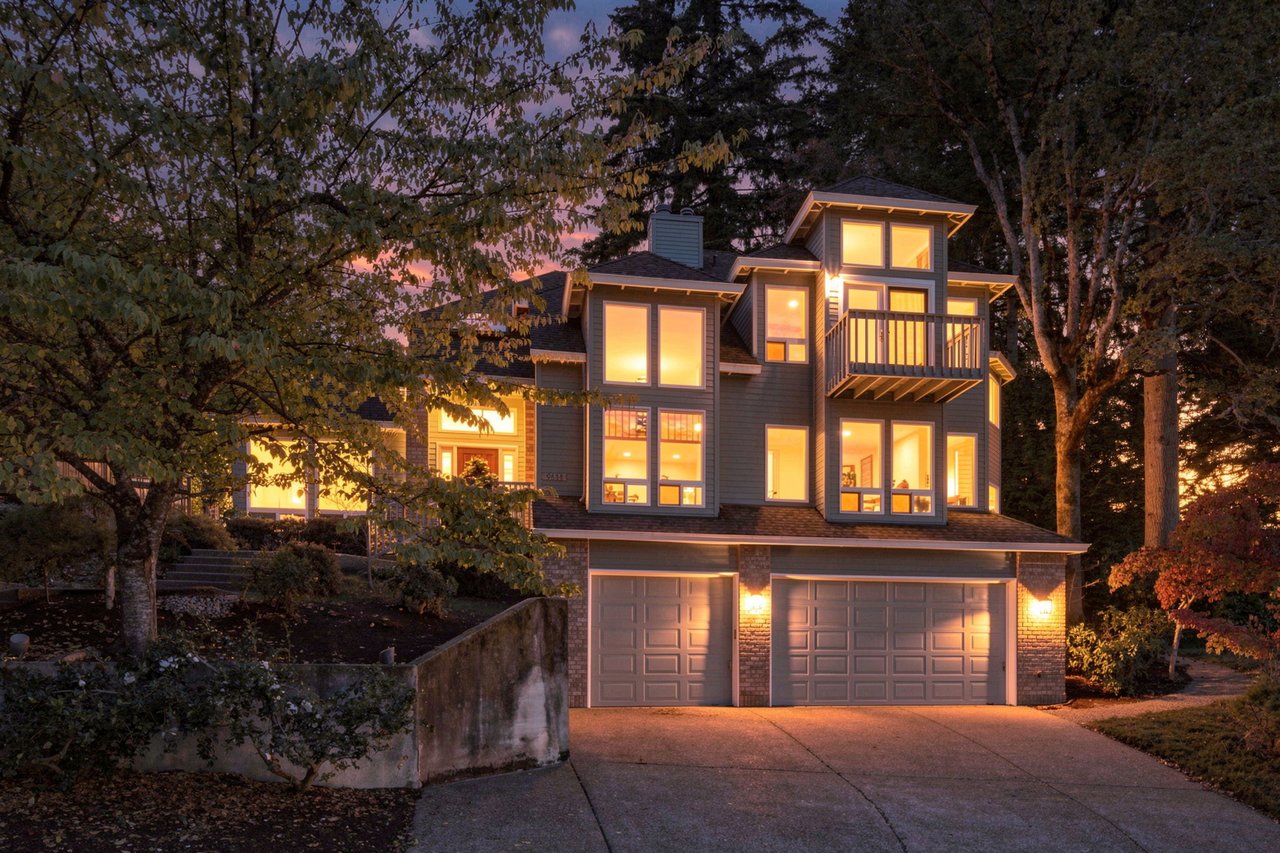
5,727 Square Feet, Endless Possibilities: A West Linn Home Designed for Real Life
New to the Market
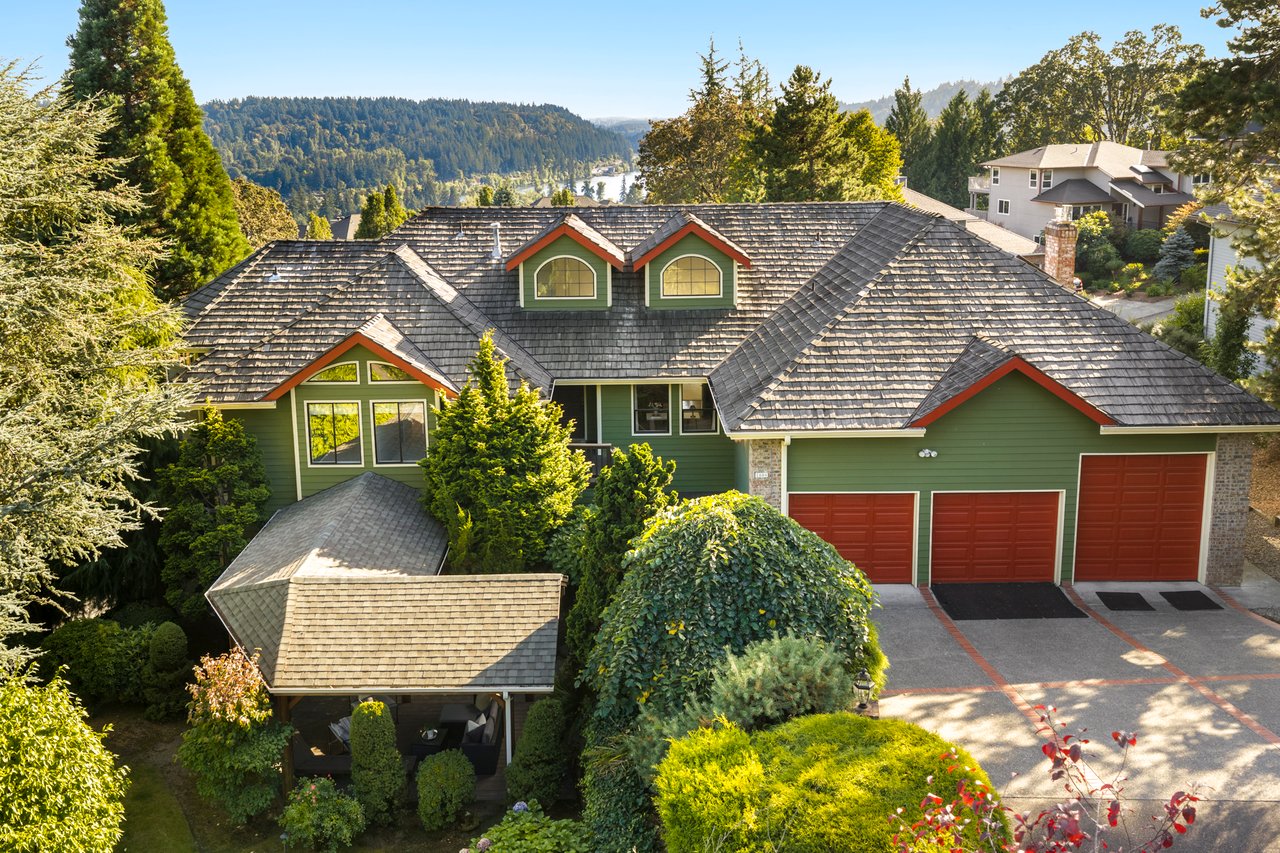
A private hillside setting, a wraparound deck, and mountain views at 19636 Wildwood Drive in West Linn.
We truly would like to see how we can help you attain your real estate goals. It is our passion to help people whether it’s meeting an immediate need or helping create a long-term plan. We look forward to meeting to discuss your goals to create a customized plan for you. Please contact us today so we can be in touch straight away.