Old Town Sherwood’s Plan to Improve Visibility From the Highway
September 3, 2026
September 3, 2026
For years, Old Town Sherwood has run on a kind of open secret. Locals know the Tuesday farmers market, the wine tasting bars tucked behind storefronts on 1st Street, the winter Art Walk that turns six blocks into a scavenger hunt of local painters and pottery. Drive past on Highway 99W or Tualatin-Sherwood Road, though, and you'd have no idea any of it exists. That gap between what's actually there and what's visible from the road is not an accident of geography. It's the exact problem Sherwood's city government has addressed in its plan. This summer, a new storefront opened in Old Town.
The city council adopted the Old Town Strategic Action Plan on May 19, 2026, capping a five-year vision for the district after a planning process that started back in October 2024. That's the headline most residents already half-know. A May 12 report by Your Oregon News laid out the specific diagnosis behind the plan.
Your Oregon News quoted Eric Rutledge, Sherwood's community development director, on the district's relationship to the roads that carry traffic past it:
"If you are on Highway 99 or Tualatin-Sherwood Road, how visible is Old Town? Like do you even know it's here?"
That's not a rhetorical flourish. It's the plan's organizing premise. Old Town sits inside a walkable historic grid a few blocks off the two roads that actually move cars through Sherwood, and for as long as anyone can remember, that has meant most through-traffic never sees it. Rutledge's team pointed out that Old Town carries a noticeably higher concentration of small, locally owned businesses than the strip malls lining 99W and Tualatin-Sherwood Road, the exact kind of businesses the highway crowd never learns exist because nothing tells them to turn.
Sean Conrad, the city's planning manager, framed the plan around three working parts: business health and growth, sense of arrival, and infill and development. Put together, that's a road map for making Old Town both easier to find and worth the detour once you do.
The plan doesn't try to fix all of Old Town at once. It narrows almost everything to two streets, Pine and Columbia, which Rutledge's office calls the two corridors central to access and activity in the district. That specificity matters if you live nearby, because it tells you exactly where construction, streetscape work, and new signage are actually headed over the next few years rather than leaving it as a vague citywide promise.
On Pine Street, the plan calls for undergrounding the overhead power lines, a change that sounds cosmetic until you learn it's been a real obstacle to redevelopment. Property owners have historically found burying those lines cost prohibitive on their own, which has left storefronts stuck with the same overhead clutter for decades even when someone wanted to update a building. Taking that off individual owners' plates and folding it into a public streetscape project, complete with new streetlights and curbs, removes one of the quieter reasons Old Town has been slow to change.
Columbia Street gets a different kind of attention. Mayor Rosener has talked about expanding it into a new entry point into Old Town, essentially giving the district a second front door beyond the current approach. He's called it one of the parts of the plan he's most excited about, and it's easy to see why: a second, more visible entrance directly addresses the exact complaint Rutledge raised about Old Town's invisibility from the main roads.
If you want a single spot to watch the plan actually happen, it's the roughly 4,500-square-foot pad sitting empty in front of the Sherwood Center for the Arts along Pine Street. The city is running a feasibility and conceptual design study on what should go there, due to wrap by the end of 2026, and Rutledge has said the options on the table include a restaurant, an events center, or a mixed-tenant retail building, single or two-story.
The site has a working precedent next door. Cooper Mountain Ale Works opened its Sherwood location two years ago attached to the Arts Center, pairing a brewery and pub with a performing arts venue in a way that's kept both drawing foot traffic from each other.
For anyone who walks past that empty lot on the way to a show or a Monday Mic Night, the timeline is worth knowing. With the study wrapping by the end of 2026, a decision on what finally fills that space is just a few months out, not a someday-maybe on a five-year list.
The plan doesn't leave the type of business it wants to attract to chance. Rutledge has said the city is specifically targeting food, drink, and wine businesses, positioning Old Town as the gateway to the surrounding Willamette Valley wine country that already draws visitors past Sherwood on their way to tasting rooms further out.
Separately, OLEA Vineyards Tasting Room held its ribbon cutting on July 8, 2026, at 16017 SW 1st Street, right in the heart of Old Town, and the Sherwood Area Chamber of Commerce billed it as the district's latest addition. It joins existing wine-focused stops like Barking Frog Winery and wine bars such as Vine & Sparrow that were already part of what makes Old Town a credible stop for the wine-country crowd rather than just a pass-through.
The same week, Stella's Ice Cream opened elsewhere in Sherwood. The plan identifies food and drink businesses as targets for Old Town. The incentives under consideration include non-financial support such as fast-tracked permits and a staff liaison for new business owners, as well as potential fee waivers or permit-fee relief if council signs off.
None of this requires a decision from anyone who already calls Sherwood home. But it does change what a walk through Old Town looks like over the next few years, and it's worth knowing the shape of that change before it shows up as orange cones on Pine Street.
Expect the overhead lines on Pine to come down at some point during the construction window, replaced by new streetlights and curbs. Expect Columbia Street to eventually function as a second, more obvious way into the district rather than the current single approach. Expect a decision by the end of 2026 on what finally fills the pad in front of the Arts Center, likely something built to work alongside the venue rather than around it. And expect the city to keep pursuing wine, food, and drink businesses, as set out in the plan council approved in May.
The council also cleared the way for an affordable housing project of six to eleven units on a small parcel the city had been donated, a detail Councilor Scott noted was a modest but real step toward the more varied housing options Sherwood has said it needs across price points. It's a small piece of the same broader Old Town push, more people living within walking distance of the district the city is trying to make worth walking to.
Old Town Sherwood was never actually hiding. It just needed a second door, a few less overhead wires, and a plan that named the exact two streets to fix instead of promising to fix everything. The strategic plan gives that plan a start date. The ribbon cuttings this summer are a separate sign of Old Town's activity, not proof that the plan is already underway.
If you're curious how these Old Town changes connect to the bigger picture of living in Sherwood, from the wine country access to the neighborhood feel, Monaghan Real Estate Group put together a fuller Sherwood lifestyle guide worth a read. And if you ever want to talk through what any of this means for your own corner of town, Let's Connect.
Explore all of Monaghan Real Estate Group's current listings.
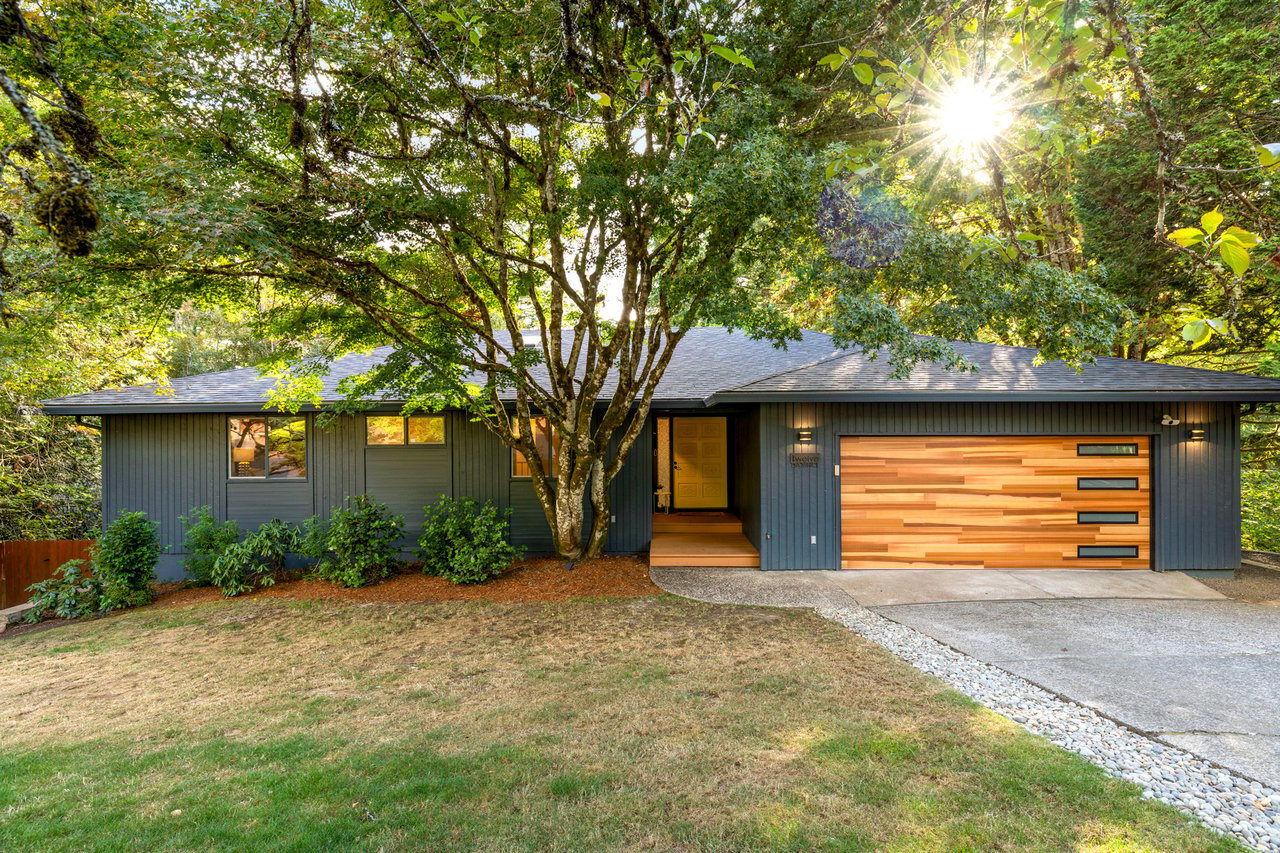
Lake Oswego Real Estate
12 Da Vinci Street, Lake Oswego, Oregon
We truly would like to see how we can help you attain your real estate goals. It is our passion to help people whether it’s meeting an immediate need or helping create a long-term plan. We look forward to meeting to discuss your goals to create a customized plan for you. Please contact us today so we can be in touch straight away.