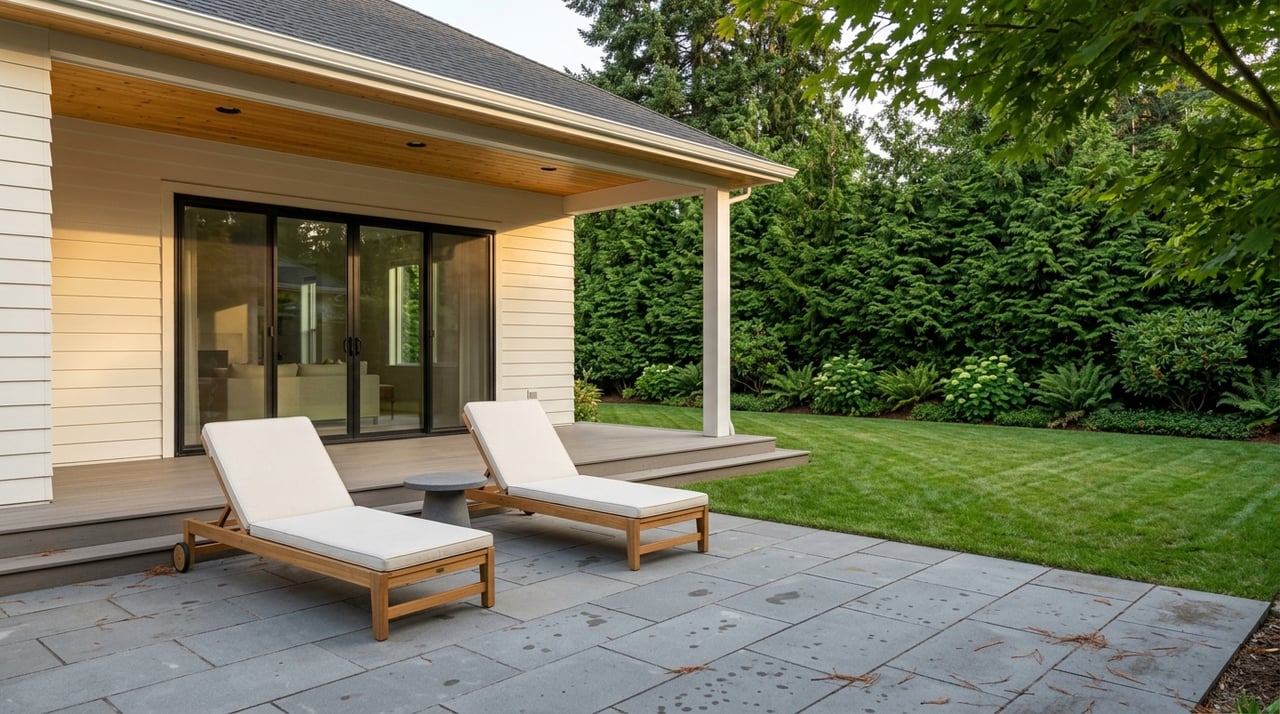
New Construction or Established Neighborhoods in West Linn?
June 11, 2026
June 11, 2026
Choosing between a brand-new home and an established neighborhood in West Linn is not as simple as picking modern finishes over old charm. In this market, where buildable land is limited and many new projects are relatively small, your decision often comes down to lifestyle, location, and how much flexibility you want day to day. If you are weighing newer construction against a more settled part of town, this guide will help you compare the trade-offs with confidence. Let’s dive in.
West Linn is a supply-constrained city. Its Housing Capacity Analysis found about 1,205 units of remaining capacity across roughly 282 buildable acres, with average buildable density of about 6 units per acre, and much of that remaining residential capacity sits in low-density zones.
That matters because “new construction” here often does not mean a huge new master-planned community. Instead, current city planning activity points to smaller infill and compact development, including a 4-lot townhome proposal, a 10-lot middle-housing division, a 13-lot subdivision, and a 24-unit cottage cluster.
So if you are shopping in West Linn, you are often comparing two very different experiences. One is an established neighborhood with a strong sense of place, and the other is a newer or newer-style pocket shaped by limited land, infill development, and more standardized planning.
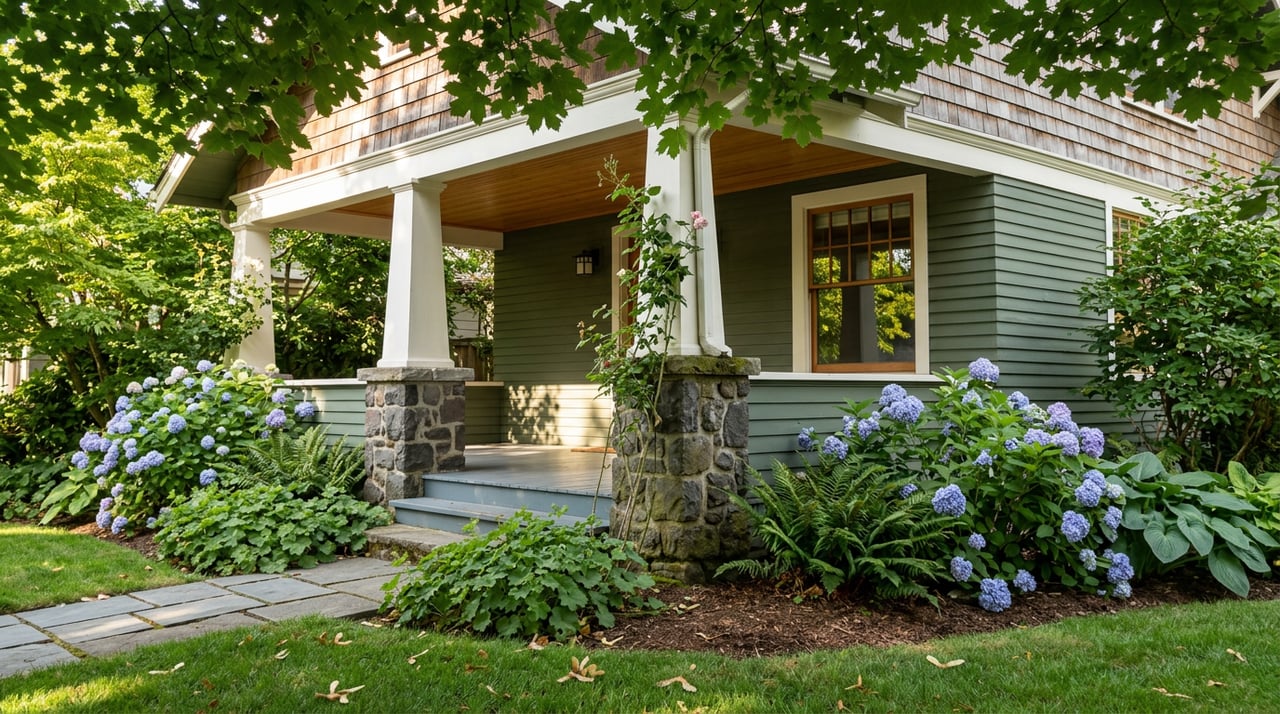
If character and neighborhood feel matter most to you, established areas in West Linn often stand out. They tend to offer a stronger sense of history, more visible civic identity, and easier access to gathering places, parks, trails, or local commercial areas.
The clearest example is the Willamette Historic District. This special zoning area was listed on the National Register of Historic Places in 2009, includes 38 officially designated historic properties, and reflects a period of significance from 1895 to 1929 with Victorian and early-20th-century American architecture.
That kind of setting can create a very distinct living experience. In the Willamette Historic District, exterior changes require city design review, which helps preserve the area’s historic character but can also affect how much freedom you have when updating a home.
Historic Willamette Main Street adds to that appeal. The city describes it as a downtown heart for dining, shopping, connection, and socializing, and the area’s walking tour highlights almost 70 unique architectural structures, heritage trees, and a seasonal farmers market.
Bolton also reflects West Linn’s historic roots. Its neighborhood plan focuses on restoring the historic heart of West Linn near the Willamette River and the Willamette Locks, preserving historic buildings, and improving safe pedestrian routes.
Robinwood offers a different kind of established feel. The city describes it as neighborhood-driven, with a trail-and-roadway system that connects with trails throughout West Linn and parks that are heavily used by residents and visitors.
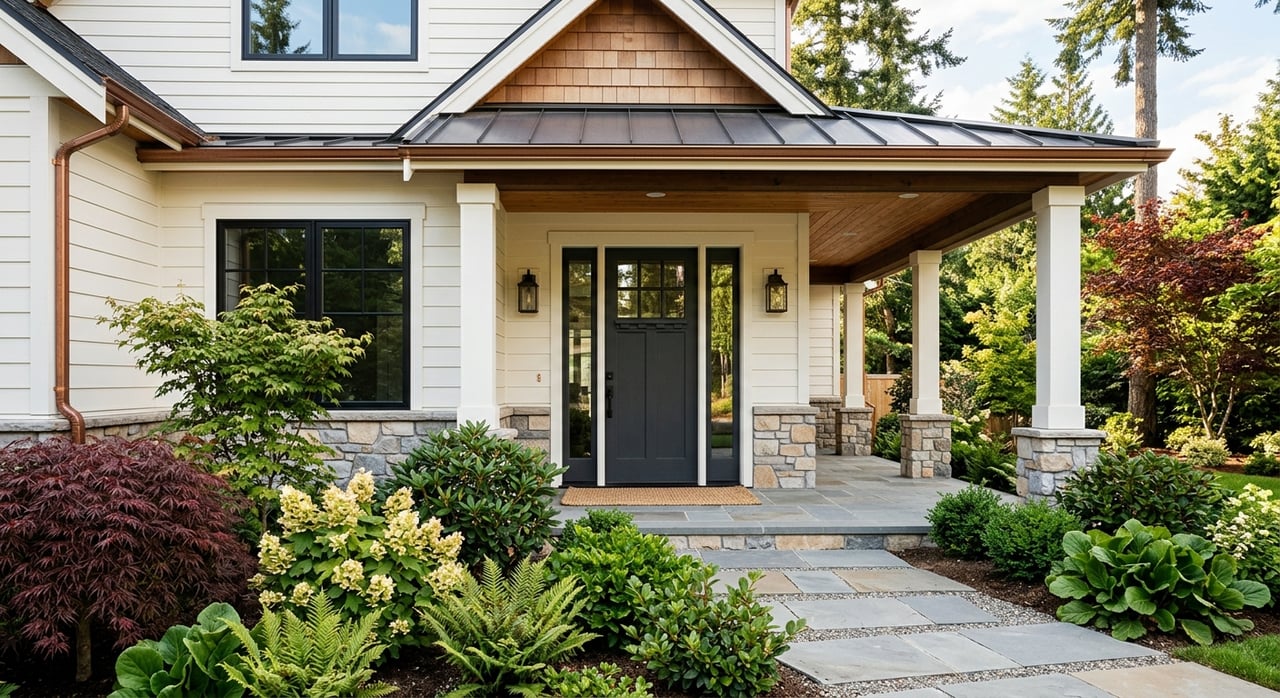
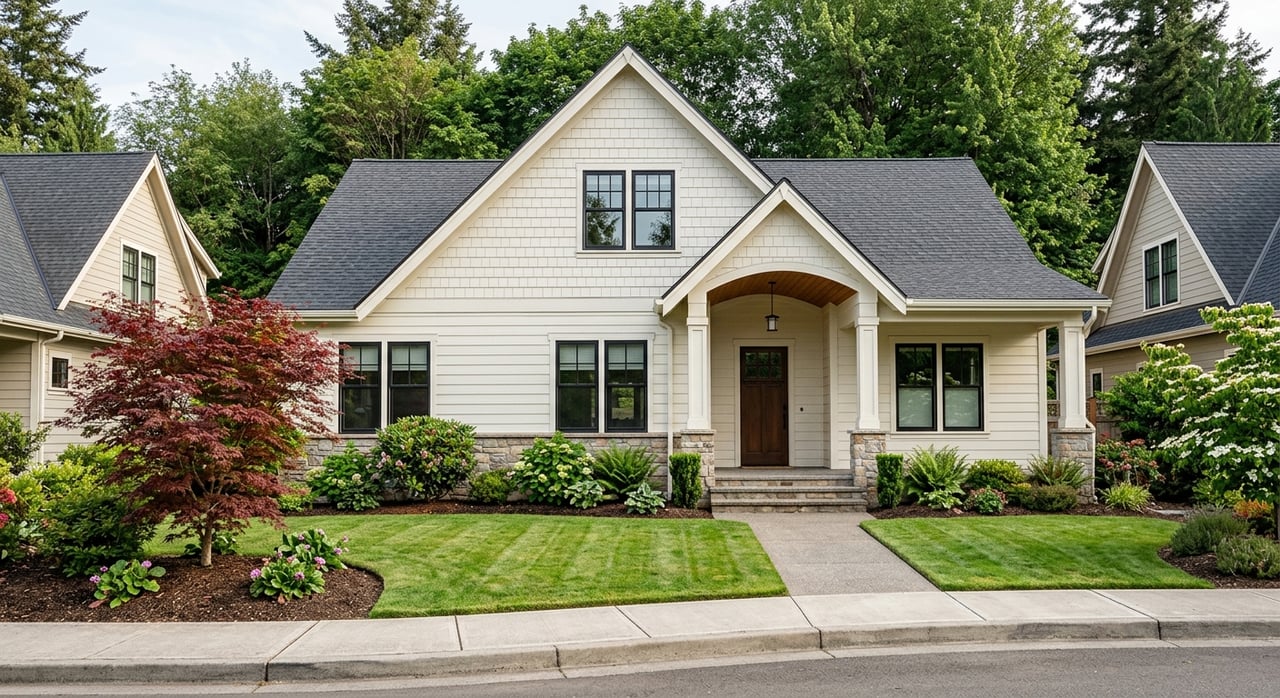
If you picture new construction as a large subdivision with rows of brand-new homes, West Linn may surprise you. Because the city has limited remaining land, new housing often appears as smaller projects, infill opportunities, or compact subdivisions rather than broad, large-scale expansion.
That can still be a great fit if you want a more current floor plan, newer systems, and less historic-district oversight. But it often comes with trade-offs that are worth understanding before you fall in love with a floor plan.
The city explains that homeowners associations are developer-formed associations connected to a specific subdivision or project, while neighborhood associations are separate civic groups recognized by the city. The city also notes that CC&Rs may restrict fences, parking, roof materials, and other exterior details.
In practical terms, many newer homes in West Linn may come with some combination of HOA rules, CC&R requirements, smaller lot footprints, or more standardized site planning. That does not make them better or worse. It simply means the lifestyle can feel more structured than in an older, more individually developed neighborhood.
Areas the city maps separately, such as Hidden Springs, Marylhurst, Parker Crest, Rosemont Summit, Savanna Oaks, Skyline Ridge, Sunset, and BHT, are often the places buyers cross-shop when they want a more suburban or later-built feel instead of a historic one.
Lot size is one of the biggest practical differences between these options. Because West Linn has limited remaining buildable land, newer supply is more likely to show up as compact infill or small subdivisions than large-lot development.
If outdoor space, setback distance, or a more spread-out feel is high on your list, it is smart to compare each property closely rather than assume a newer home will come with a bigger homesite. In West Linn, the opposite can often be true.
On the other hand, newer homes may give you a layout that better matches current preferences. You may find more open-concept living areas, newer kitchens, and a design that feels ready for modern day-to-day life without as many immediate updates.
Architectural style is another major deciding point. If you want the strongest historic character, the Willamette Historic District is the benchmark, with Victorian and early-20th-century American styles and many original details.
That kind of individuality can be hard to replicate. Older homes in established pockets often have details, streetscapes, and neighborhood texture that feel unique from one block to the next.
Newer homes, by contrast, will generally feel more contemporary and more standardized, especially when they are part of middle-housing or subdivision approvals. For many buyers, that trade-off is worthwhile because it can mean cleaner lines, updated finishes, and a more turnkey experience.
It is easy to focus on appearance, but ownership experience matters just as much. Older homes in protected or long-established areas may involve more exterior upkeep and less flexibility if design review applies.
That does not mean historic or established homes are harder to own. It means you should go in with a clear understanding of what changes are allowed, what upkeep may be needed, and whether preserving original features fits your goals.
With newer construction, some maintenance responsibilities may shift into HOA dues or CC&R compliance. That can simplify certain tasks, especially around common areas, but it can also mean more rules about how the property looks and functions from the outside.
If your ideal neighborhood includes places to stroll, gather, or connect to trails and parks, established areas may have an edge. A reasonable takeaway from city materials is that some of the most walkable-feeling parts of West Linn are in historic and lower-elevation pockets near Historic Willamette, Bolton, and parts of Robinwood.
These areas connect more directly to Main Street, pedestrian routes, parks, and trail systems. West Linn also offers 17 active-oriented parks, 25.6 miles of trails, and participation in the Willamette River Water Trail, which adds to the appeal for buyers who care about outdoor access.
Newer pockets may still offer convenience, but the feel can be different. In a compact subdivision or newer enclave, daily life may be shaped more by site planning and driving routes than by historic street patterns or direct access to civic gathering places.
No matter which direction you lean, West Linn buyers should take property-specific due diligence seriously. The city’s GIS tools include zoning layers, landslide maps, flood-insurance maps, and water-resource-area mapping.
This is especially important because the city and DOGAMI have mapped landslide risk in multiple parts of West Linn. City landslide maps cover areas in the northwest portion of the city, including Hidden Springs, Marylhurst, Skyline Ridge, Robinwood, and northwest Bolton, as well as southwest areas including Willamette, Rosemont Summit, Parker Crest, Savanna Oaks, Barrington Heights, and West Sunset.
That does not mean homes in these areas should be avoided. It means you should evaluate the specific site, understand applicable overlays or risks, and review any relevant planning or inspection details before moving forward.
In West Linn, resale is not just about the age of the house. A reasonable takeaway from the city’s planning and land-capacity materials is that location, access, neighborhood identity, and long-term city planning can all shape value over time.
The city is actively planning for future change along the waterfront and Highway 43. The Waterfront Vision Plan covers 275 acres along the Willamette River and will guide transportation, zoning, and development-code changes, while VISION43 proposes mixed-use rezoning and pedestrian connections along Highway 43.
For you as a buyer, that means historic charm, trail access, river proximity, and position near evolving corridors may matter just as much as whether a home is newly built. In a built-out city, micro-location often carries real weight.
If you love architectural character, established streets, and a neighborhood with visible history, an older West Linn area may feel more like home. You may give up some flexibility or face more upkeep, but you could gain identity, walkability, and a stronger sense of place.
If you prefer a more current layout, newer systems, and a simpler move-in experience, newer construction or newer-style pockets may be the better fit. Just be prepared to look closely at lot size, HOA terms, CC&Rs, and site-specific conditions.
In the end, the best choice in West Linn is usually not about choosing “new” or “old” in the abstract. It is about finding the right micro-location, understanding the rules and trade-offs, and matching the home to the way you actually want to live.
If you want help comparing West Linn neighborhoods home by home, the team at Monaghan Real Estate Group can help you weigh character, location, resale potential, and day-to-day fit with a local, practical lens.
West Linn Real Estate
Just Listed
We truly would like to see how we can help you attain your real estate goals. It is our passion to help people whether it’s meeting an immediate need or helping create a long-term plan. We look forward to meeting to discuss your goals to create a customized plan for you. Please contact us today so we can be in touch straight away.